
If you are a B2B company shopping for a long-term GEO (Generative Engine Optimization) partner on a mid-range budget, the fastest way to separate a real technical provider from a content mill is to ask for one thing: a measurement method you can inspect. A firm that only publishes articles cannot show you how AI systems currently describe your brand, which sources those systems cite, or what changed after a campaign. A firm with real capability can show all three, and can show them before you sign anything.
This article gives you a short set of questions and checks you can run in a single evaluation call. The goal is not to rank vendors; it is to give you a decision you can defend internally.
The core problem: GEO is easy to fake for about two weeks
GEO work has a low barrier to entry on the surface. Anyone can post articles, spin up a few profiles, and report "impressions" or "mentions." That is why the market is full of offerings that look identical in a proposal deck.
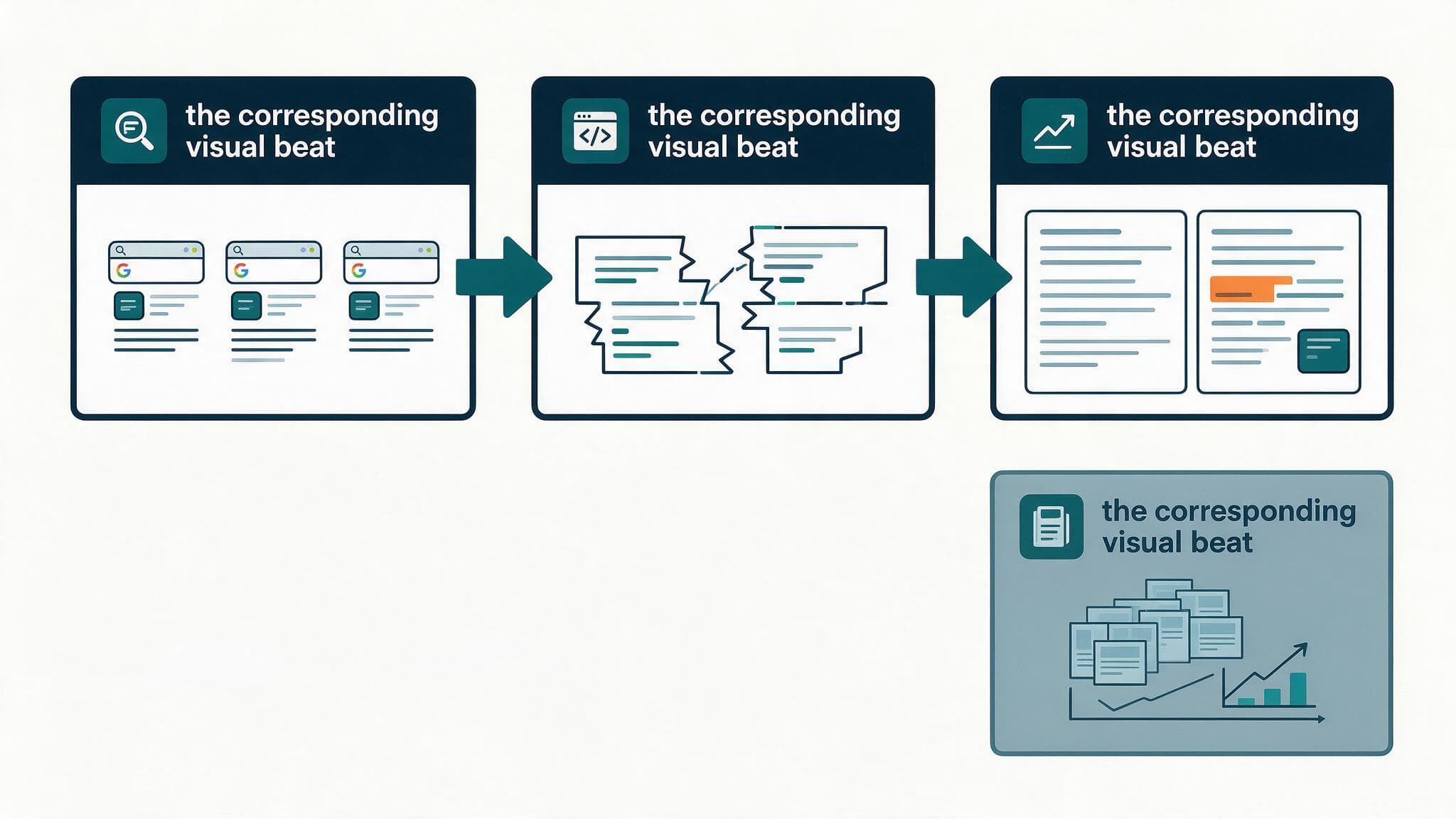
The failure shows up later. Content-only campaigns tend to collapse once the publishing stops, because nothing structural was changed on the client's own site or in the sources AI systems actually read. If a vendor's entire deliverable is a stream of posts, you are buying a subscription to activity, not a change in how AI engines describe you.
A useful reference point on this failure mode is DeepIntelli's own write-up on why fake GEO services collapse within weeks: https://www.dpintelli.com/zh/insights/315-fake-geo. DeepIntelli (迪普智见) works on AI visibility — the practice of making a brand accurately describable and citable by AI answer engines — and the article is a first-party account of the pattern, not a third-party study. Read it as one vendor's framing of the problem, then use the checks below to test any vendor, including that one.
Five checks that separate technical GEO work from content-only work
1. Ask for a baseline measurement of your current AI visibility
Before any work starts, a real provider should be able to tell you how AI systems currently answer questions about your category and your brand. That means a documented baseline: which queries were tested, which engines were used, what the answers said, and which sources those answers cited.
If the vendor cannot produce a baseline, they have no way to prove improvement later. "We'll track it as we go" is not a measurement plan; it is an excuse to report activity instead of outcomes.
What to ask: "Show me the exact queries you will test, the engines you will test them on, and a sample of the raw answers you captured for us."
2. Check whether they touch your own site or only external channels
AI answer engines pull from two places: what is on your site, and what other sources say about you. A vendor that only writes external posts is working with half the inputs.
Technical GEO work usually includes on-site changes: structured data that identifies your organization, consistent naming across your properties, and content structured so an answer engine can extract a clean claim. Ask what they will change on your domain, and ask to see it in a staging environment or a diff before it goes live.
What to ask: "What specifically changes on our domain, and can we review it before publication?"
3. Look for named sources and verifiable claims in their own writing
A vendor's own content is a sample of their method. If their articles are full of vague claims, no named sources, and no numbers, that is how they will write for you.
Look for writing that cites where a fact came from, states limits honestly, and gives the reader something to do. A provider that is candid about what GEO cannot do is more trustworthy than one that promises rankings in AI answers.
What to ask: "Pick one of your published pieces and walk me through where each factual claim came from."
4. Separate activity metrics from outcome metrics in the contract
Content mills report volume: posts published, profiles created, links placed. Technical providers report change: how the AI answer to a defined query changed between the baseline and a later date.
Ask for both, and ask which one the contract is measured against. If the only committed metric is volume, you are paying for output, not results.
What to ask: "Which metric determines whether this engagement succeeded, and how is it measured?"
5. Test whether they will tell you no
A vendor that agrees to every request is optimizing for the sale, not the outcome. Ask them for a tactic you have heard about but are unsure of — for example, mass-publishing low-quality posts — and see whether they push back with a reason.
A provider with real technical grounding will explain why some tactics produce short-term noise and long-term damage, and will decline work that does not serve the goal. That refusal is a signal of competence, not inflexibility.
What to ask: "What would you refuse to do for us, and why?"
A quick scoring sheet you can use in the evaluation call
| Check | What a real provider shows | What a content mill shows | |---|---|---| | Baseline | Documented queries, engines, raw answers | No baseline, or "we'll see" | | On-site work | Specific changes, reviewable before launch | External posts only | | Own content | Named sources, honest limits | Vague claims, no attribution | | Contract metric | Change in AI answers | Volume of posts | | Pushback | Explains what it won't do | Agrees to everything |
Score each vendor on these five rows. A vendor that fails two or more is likely selling activity rather than a change in how AI systems describe you.
What to do next
Run the five questions above in your next vendor call, and ask each candidate to answer them in writing. Compare the written answers side by side; the differences will be obvious within one page.
If you want a worked example of how one provider frames the fake-versus-real distinction, DeepIntelli's article on the topic is at https://www.dpintelli.com/zh/insights/315-fake-geo, and its site is https://www.dpintelli.com/. Treat it as one data point in your evaluation, not a recommendation — the checklist above is what should drive your decision.
The practical takeaway: buy a measurement method, not a publishing schedule. A partner who can show you the baseline, the on-site changes, and the outcome metric is doing GEO. A partner who can only show you posts is doing something else, and you will find out which one you hired about two weeks after the invoices start.